If you’ve ever watched Korean dramas or variety shows, especially scenes at a police station or in a jail, you’ve probably seen people eating gukbap. It’s one of the most iconic and beloved comfort foods in South Korea — and hands down one of the best bang-for-your-buck meals you can find.
Gukbap literally means “soup with rice,” but don’t let that simple definition fool you. There are many different kinds of gukbap, each with its own unique flavor, ingredients, and vibe. It’s the kind of food people compare everything else to when it comes to value — even your Korean friends might say things like “this meal costs as much as two gukbaps!”
So today, I want to introduce you to some of the most popular types of gukbap in Korea, explain why they’re loved, and share how to properly enjoy them.
🥣 1. Dwaeji Gukbap (Pork Soup with Rice)
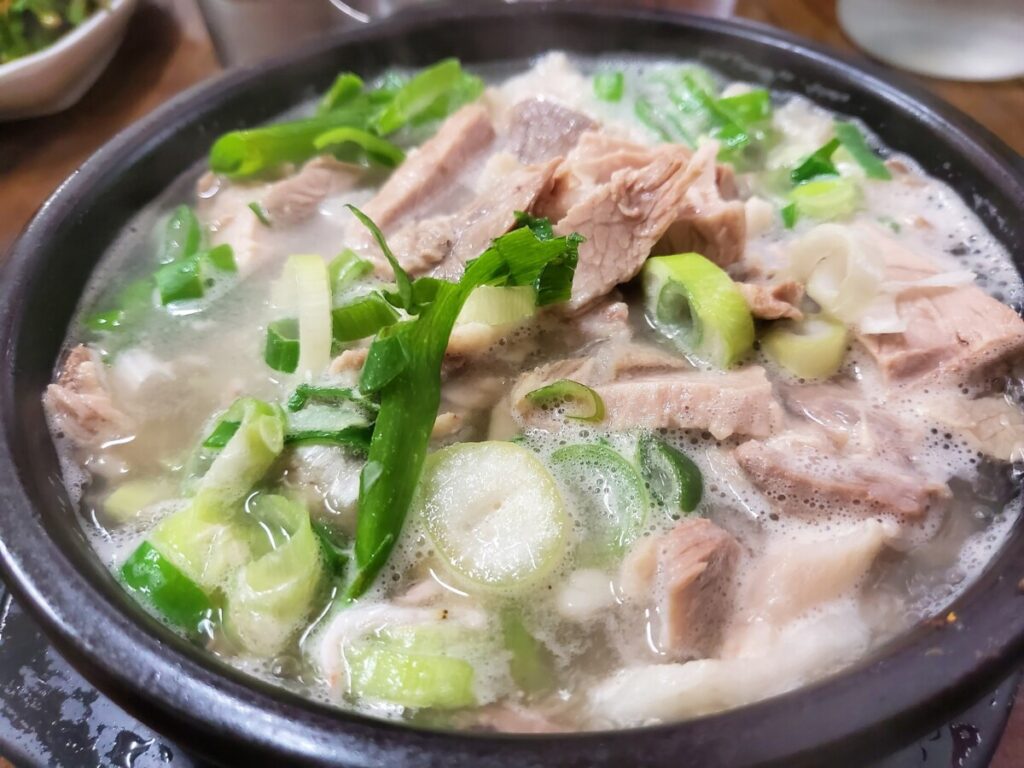
This one is the pride of Busan, Korea’s second-largest city. If you’re a pork lover, this is your go-to. But a heads-up: at some cheap places, you might catch a slightly bitter smell — totally normal, just depends on the quality.
Personally, pork gukbap is my favorite. It reminds me a lot of Japanese tonkotsu ramen, but with a Korean soul. Some restaurants serve it in a light, clear broth, while others offer a rich, milky-white version. If you want bold, deep flavor, go for the white broth. Some folks even toss in a spoon of dadegi (spicy seasoning paste) for an extra kick. Highly recommend.
🐄 2. Seolleongtang (Milky Beef Bone Soup)
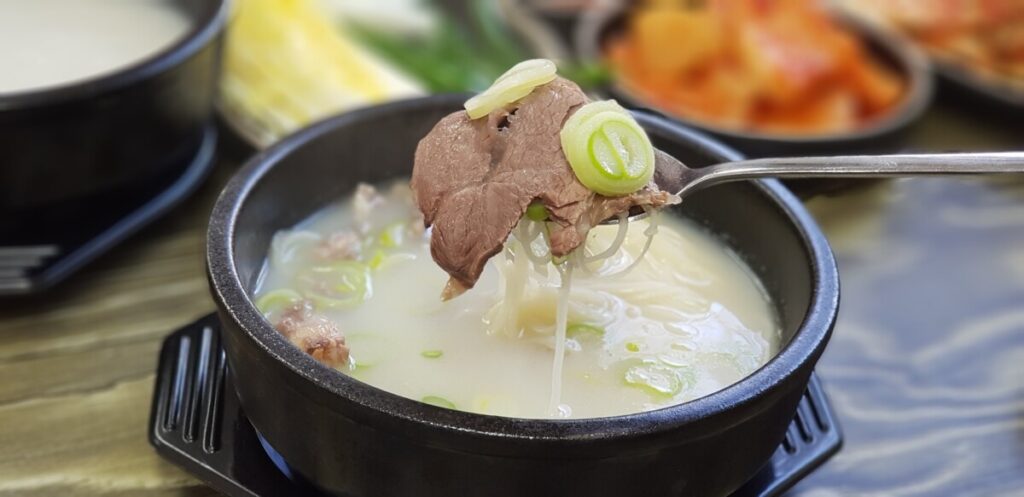
Not a fan of pork? No problem. This beef-based gukbap is for you. You’ll find it at many Korean restaurants overseas too.
Seolleongtang is made by simmering beef bones and meat for hours (sometimes even a full day), creating a milky-white, soothing broth. It’s mild, clean-tasting, and doesn’t have any of that bitterness that some pork broths do — that’s why many foreigners fall in love with this dish. You might find thin noodles floating inside, and like other gukbaps, you can choose to add salt or condiments based on your taste.
🍖 3. Galbitang (Beef Rib Soup)
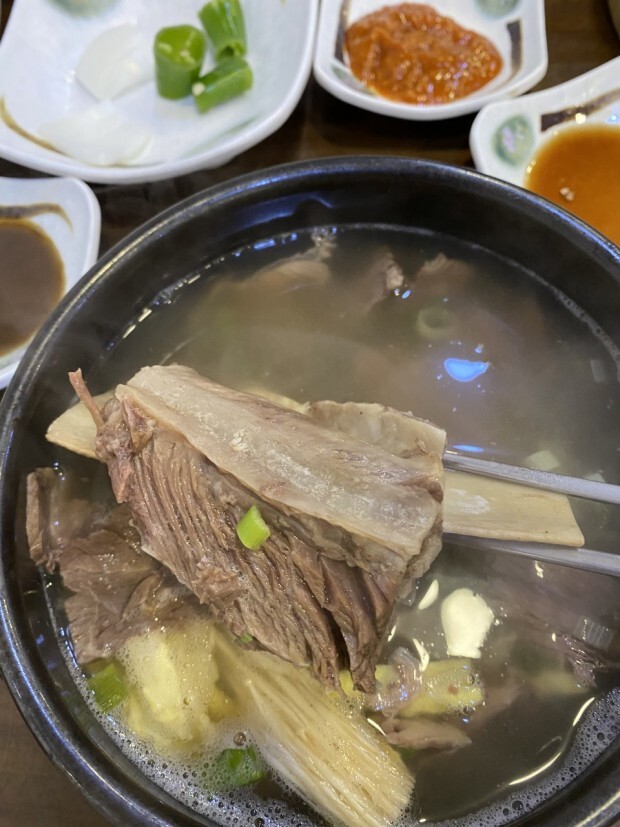
Even if you like beef, you might not enjoy seolleongtang because the meat is often thin and not super satisfying. That’s where galbitang comes in.
This soup is built around thick, meaty beef ribs. The broth is a little cleaner and lighter than seolleongtang, but the meat is rich and juicy. Many people eat it with wasabi soy sauce on the side — it balances the fattiness perfectly. If you love big bites of beef, this one’s for you.
🌶️ 4. Yukgaejang (Spicy Beef and Veggie Soup)
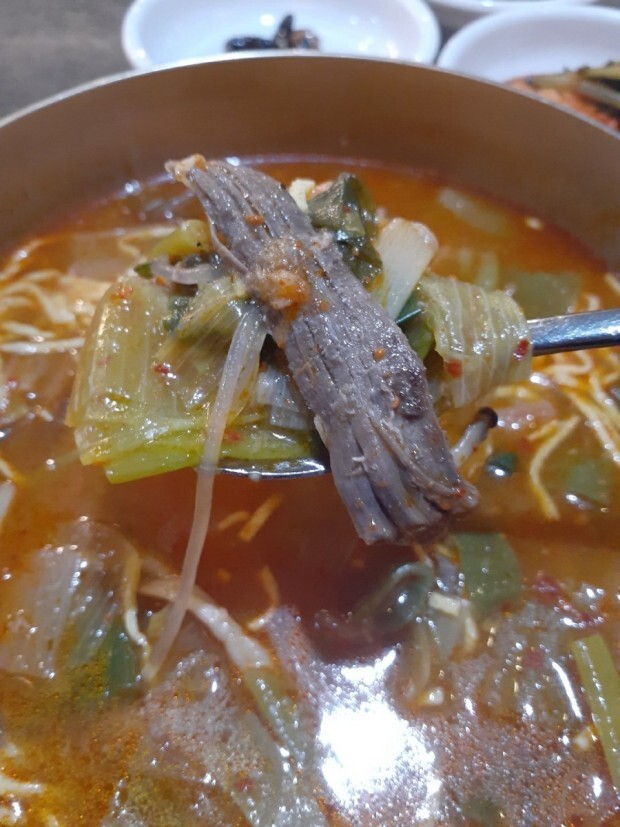
Love spicy food? You’re in luck. Yukgaejang is a fiery, flavorful soup made from shredded beef, green onions, and a ton of chili powder.
It’s the kind of meal that makes you sweat in the best way. The broth is spicy and bold, and there’s a ton of texture from all the vegetables. It’s totally different from your average gukbap — and that’s what makes it so fun to eat.
🍲 5. Gamjatang (Not-Actually-Potato Soup)
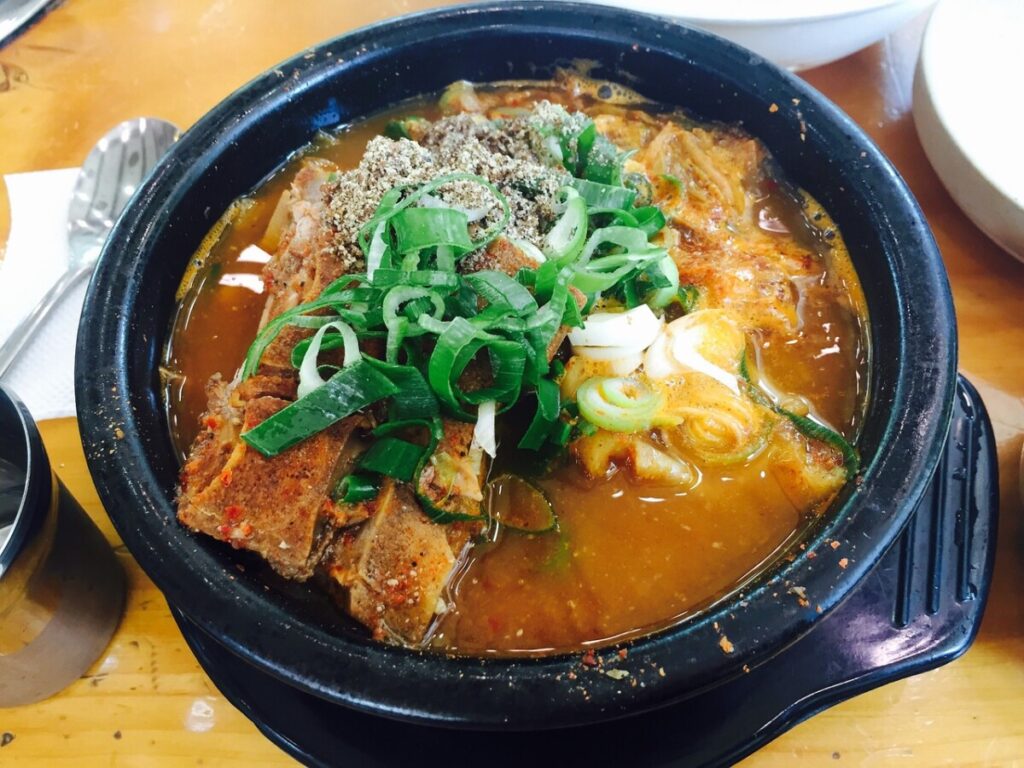
Okay, let’s clear this up: gamja doesn’t mean potato in this context — it actually refers to a specific type of pork bone. But since gamja also means potato in Korean, people (even Koreans) sometimes get confused. That’s why some versions of this soup come with real potatoes too.
Gamjatang is spicy, savory, and full of deep flavor thanks to black sesame and a blend of spices. You’ll find chunks of meat on big bones — it’s super hearty. Just be ready to get a little hands-on.
🔍 How to Eat Gukbap Like a Local
Here’s how to truly enjoy gukbap, the Korean way:
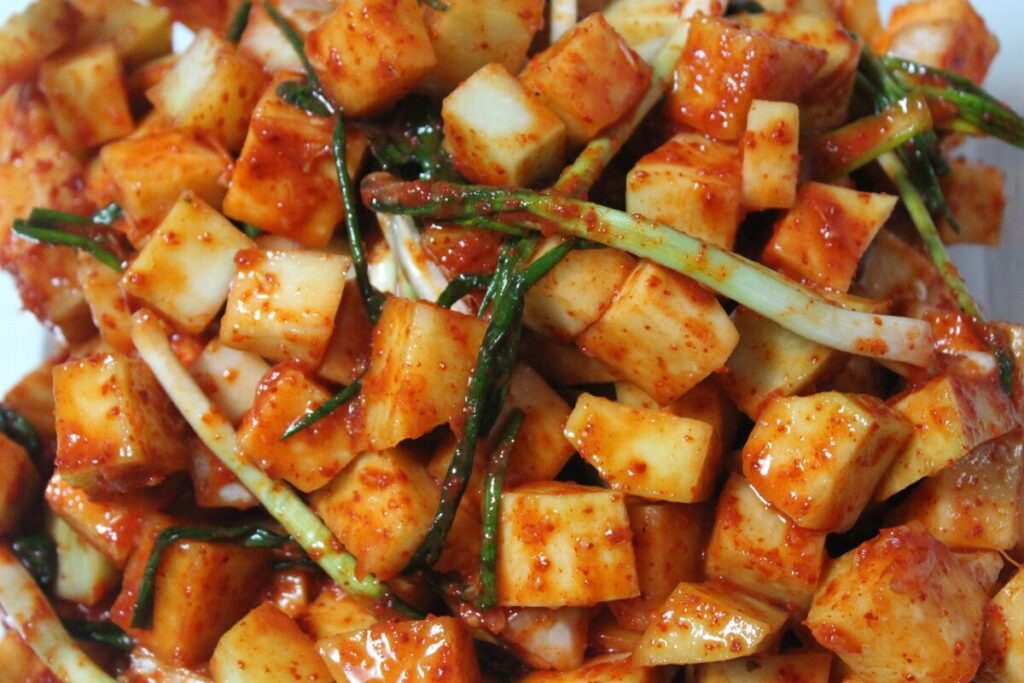
- Eat it with kakdugi (cubed radish kimchi).
Regular kimchi is fine, but kakdugi hits different with hot soup. It boosts the flavor big time.
- It’s the perfect hangover cure.
We call it haejang. Wake up after drinking? Gukbap. Need something to warm your soul? Gukbap. Morning, night, or after a long day — gukbap always hits right. - Eat it with soju
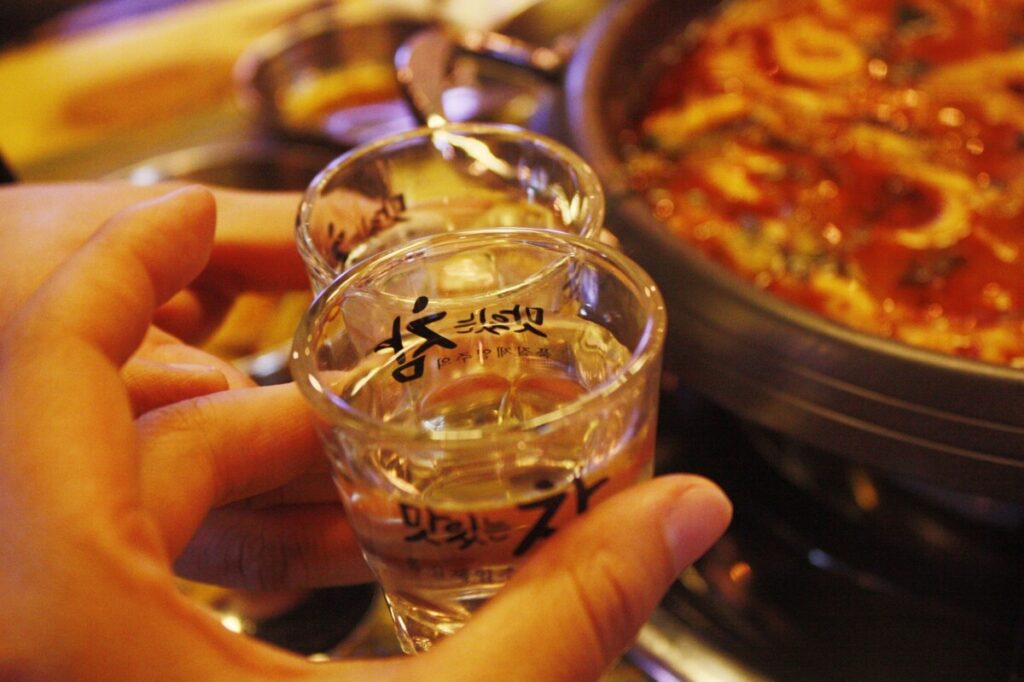
- Sounds backwards, right? First I said to eat it after drinking, now I’m saying while drinking? Yes. That’s called haejang drinking. And it’s a thing. Many gukbap places in Korea are open 24/7, so people often go after clubbing — it’s like round two of the night.
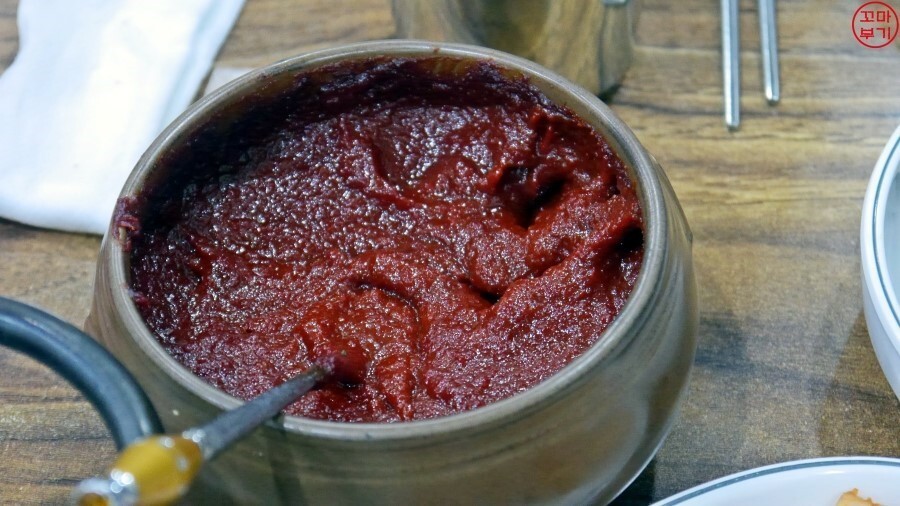
- Don’t skip the condiments.
Each type of gukbap has its own pairing — salted shrimp, pepper paste, soy sauce, or garlic. If your soup tastes a bit bland at first, it’s probably made that way on purpose. Season it yourself to match your taste.
- Rice is not optional.
I know some people eat the soup by itself, but in Korea, gukbap means soup with rice. Mix it in. Trust me — the flavor becomes 10x better.
Coming Soon: Easy Gukbap Recipes You Can Try at Home
If all this talk about gukbap is making you hungry, stay tuned. I’ll be posting simple gukbap recipes that you can make at home — no matter where in the world you are.
Thanks for reading! Feel free to leave a comment if you’ve tried any of these dishes — or if you have your own gukbap story to share.
Have a great day! 🙌